

Intertidal Room
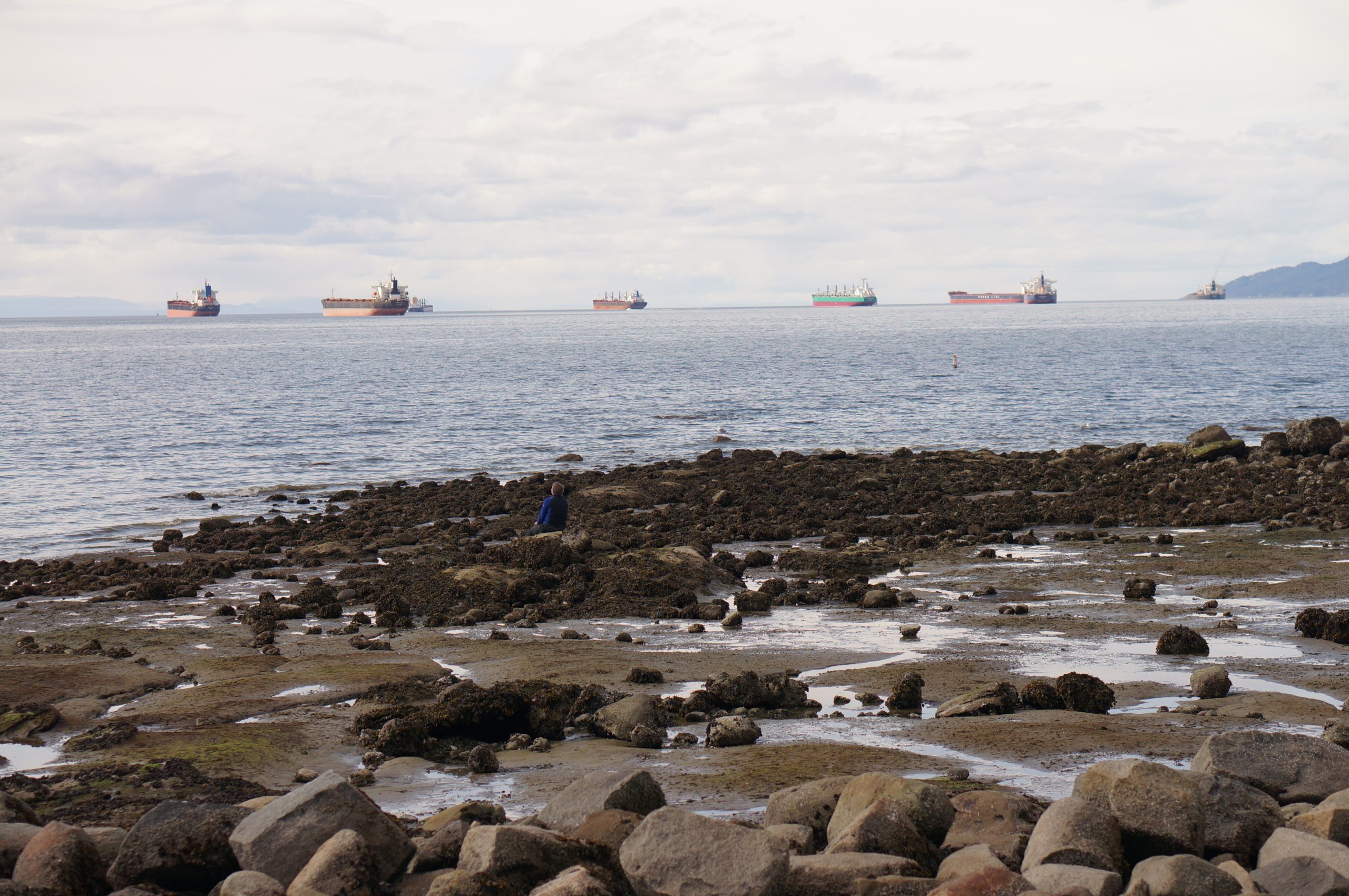
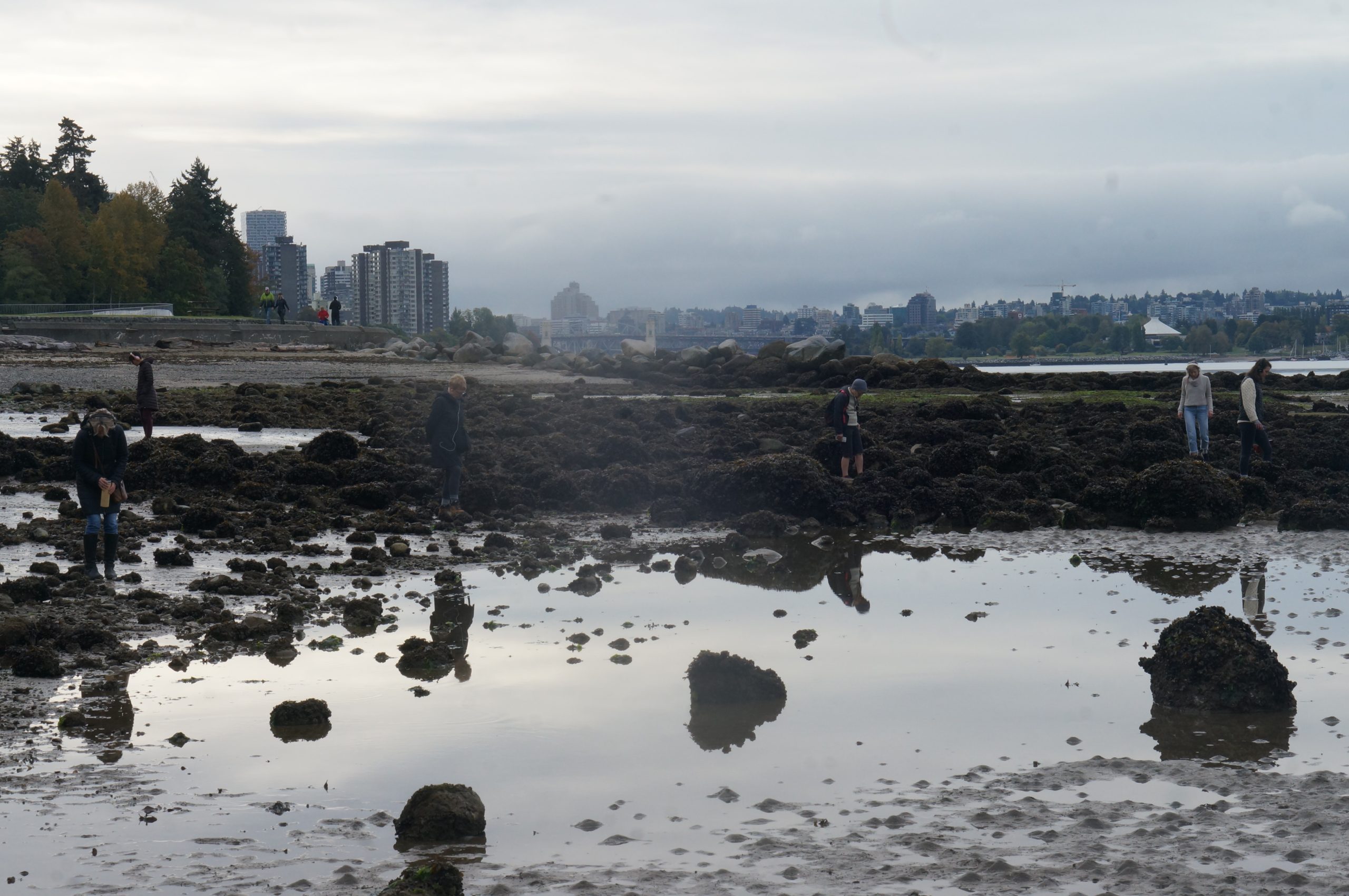
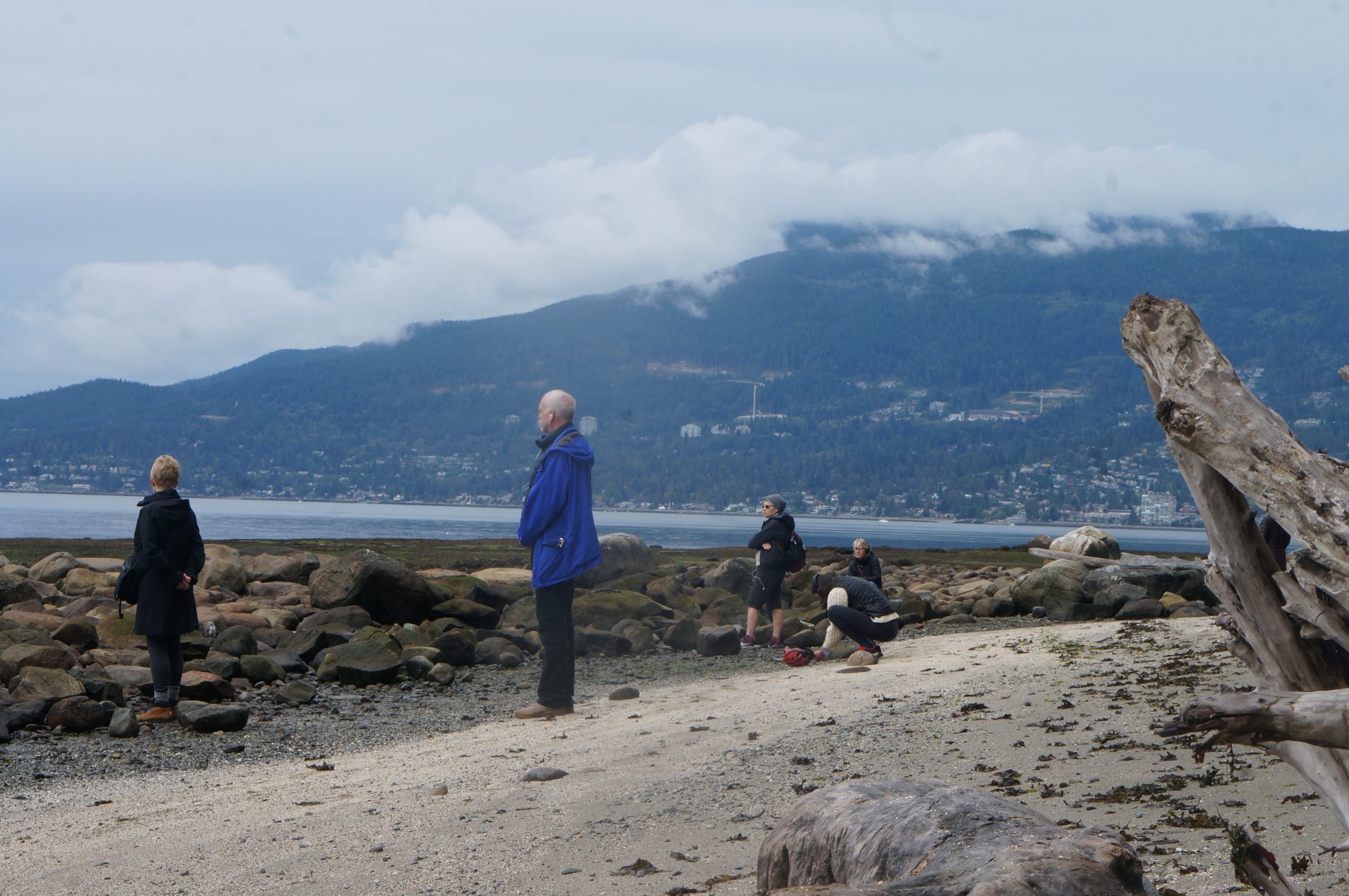
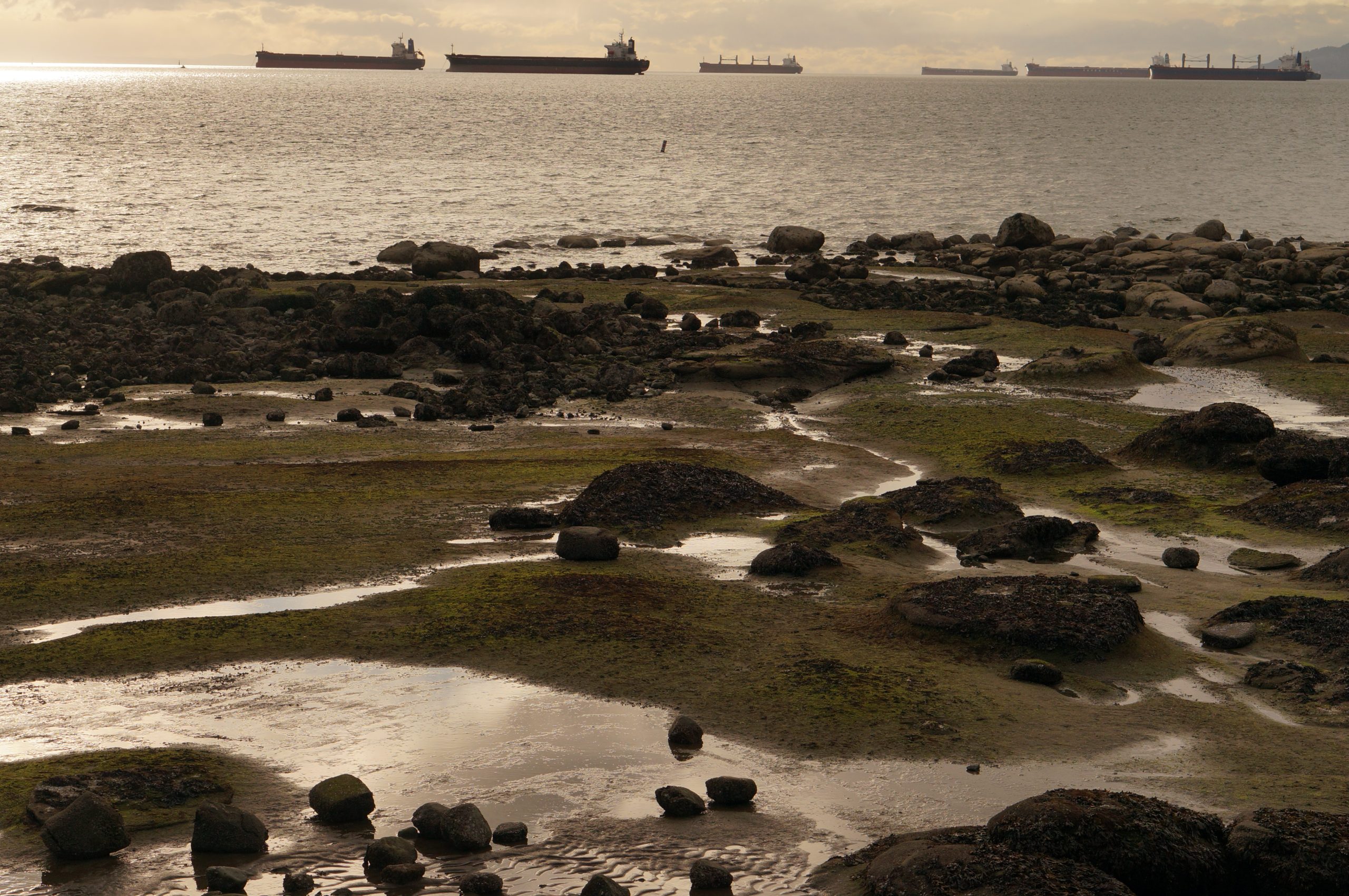
Intertidal Room is a soundwalk composition developed for the coastline of Vancouver near Stanley Park, situated on the unceded territories of the Coast Salish peoples — Skwxwú7mesh (Squamish), Stó:lō, Səl̓ílwətaʔ/Selilwitulh (Tsleil-Waututh), and xʷməθkʷəy̓əm (Musqueam) Nations. Inspired by the resilient nature of intertidal zones, the piece invites an increased aural attention to these transient areas, which are crucial for maintaining a balanced relationship between land and sea.
The composition is grounded in research into the history of Vancouver’s coastline, including the ways it has been cultivated and cared for by First Nations communities, and the subsequent disruptions brought by colonialism and modernity. The soundwalk is intended to be experienced along a designated path on the shore of Stanley Park during periods of slack water — moments when the tide is at its lowest and about to return.
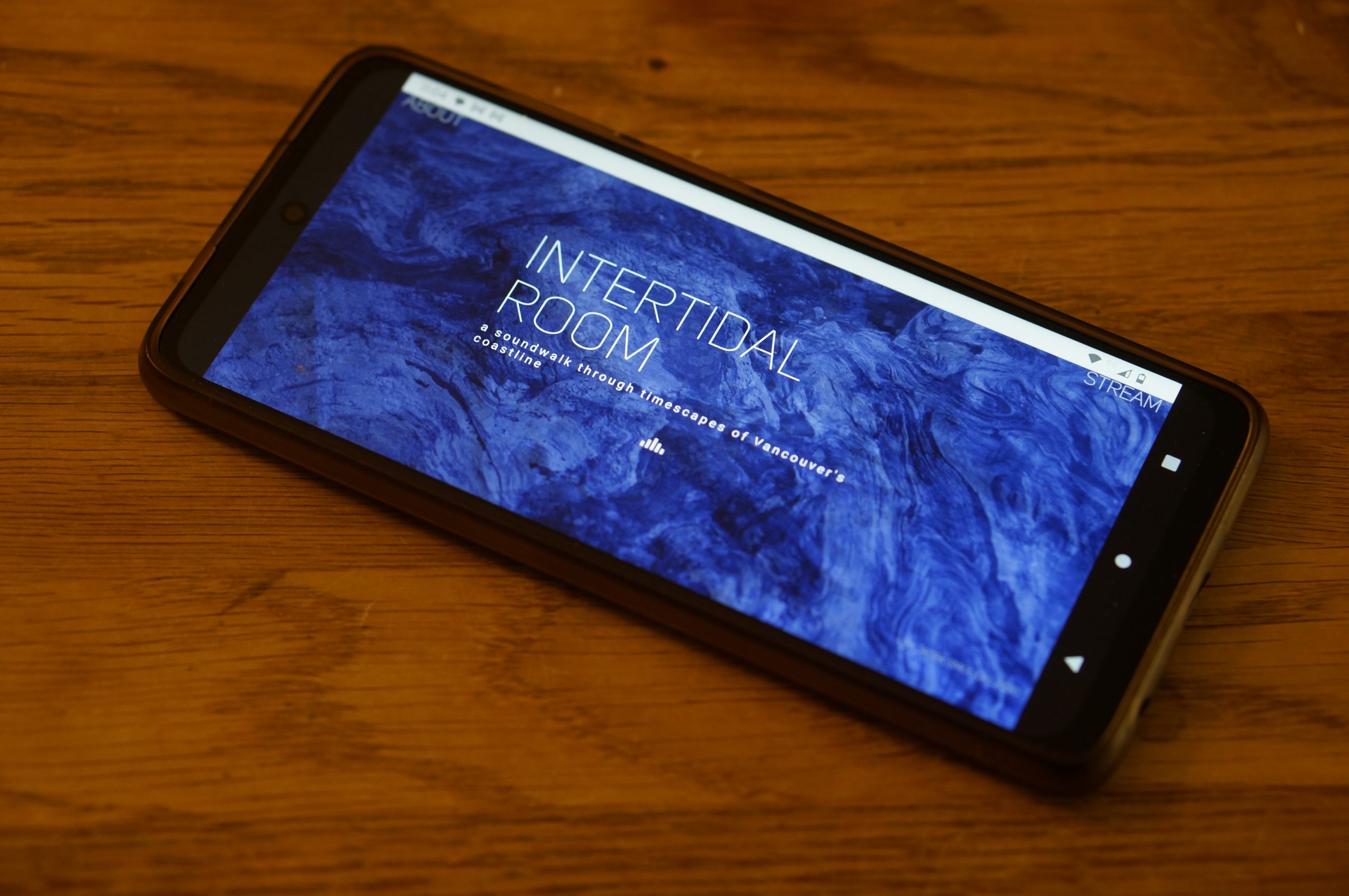
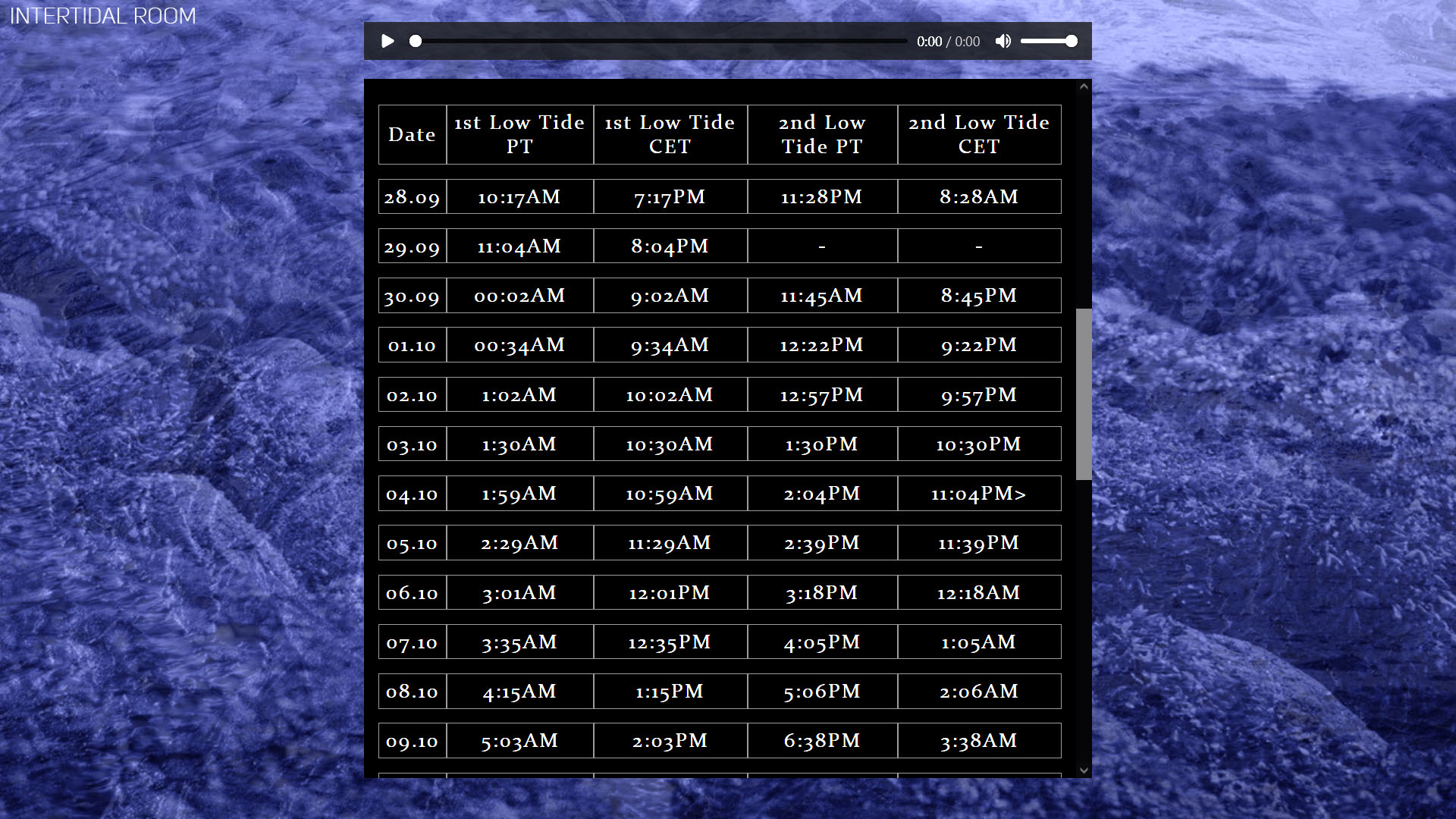
For the first two months following its premiere, the piece was streamed from a specially designed website that synchronized playback with the low tide times in the Vancouver area.
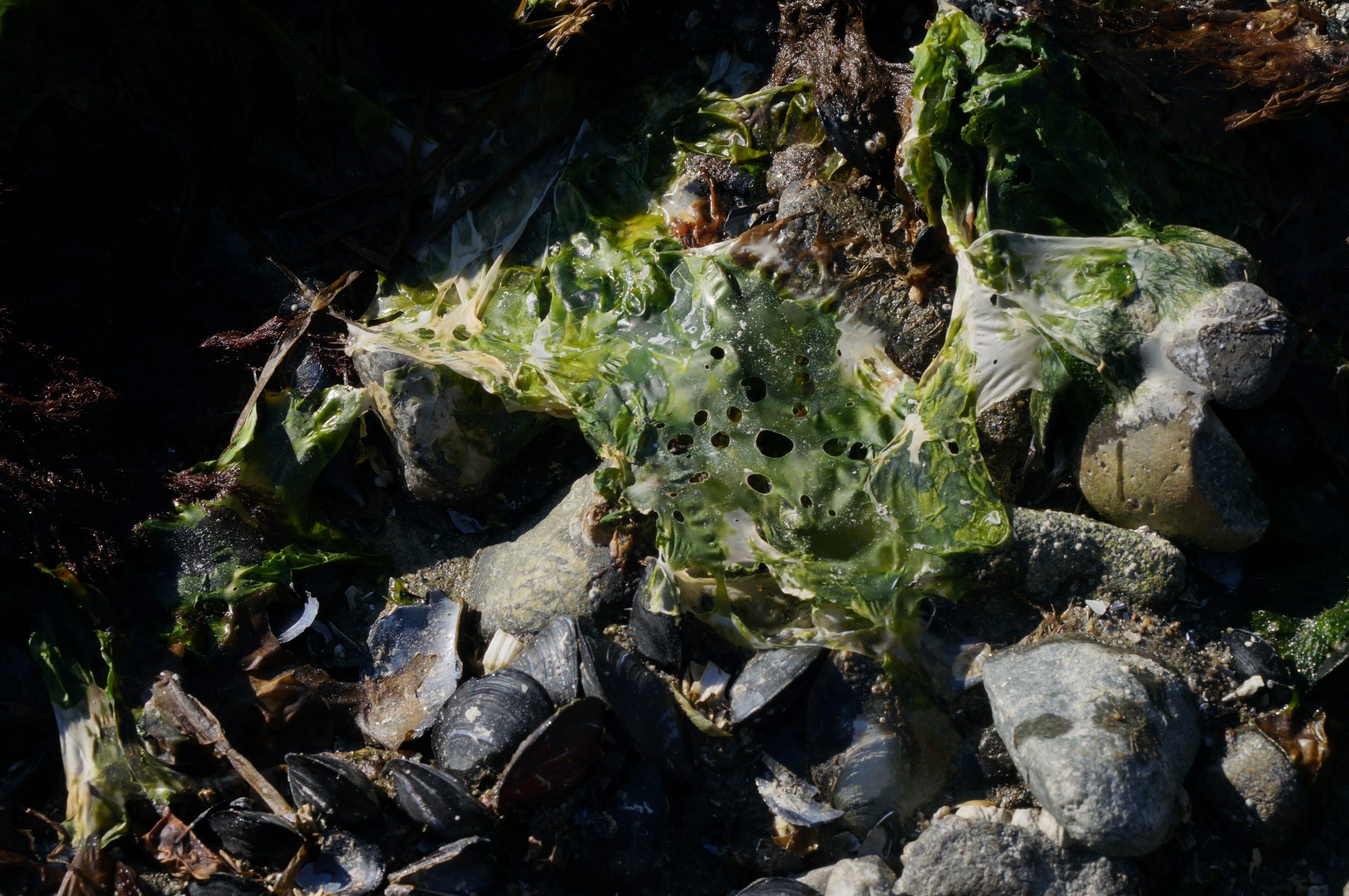
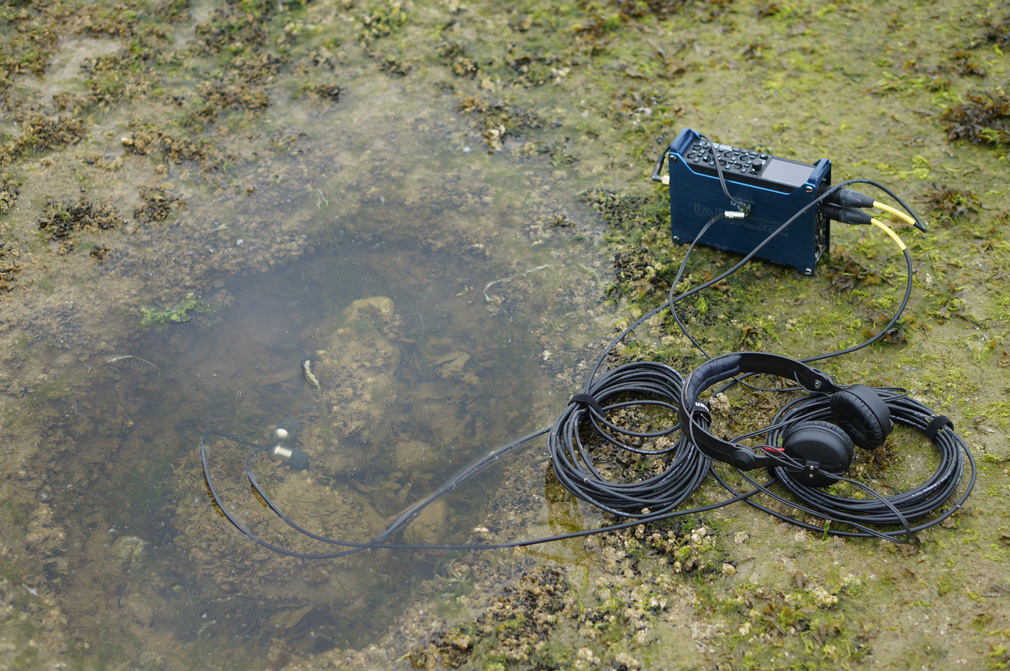
With few exceptions, all sounds featured in the piece originate from listening and field recording sessions conducted between March and September 2020 in various intertidal zones around Vancouver, particularly those surrounding Stanley Park. In addition to field recordings, the composition includes, soundscape compositions made with materials found in tidal zones, sonification of scientific data (variations of sea level in the area over a long period of time), and two spoken narratives.
The first narrative is based on empirical, archival, and historical research. The second, a creative story written as the project evolved, follows a displaced protagonist whose home is destroyed by human-driven environmental transformations. Initially lost, the protagonist ultimately finds peace by transforming into an element of the tidal ecosystem, nourishing the species that inhabit it.